12th – 13th century
The House of Masaniello
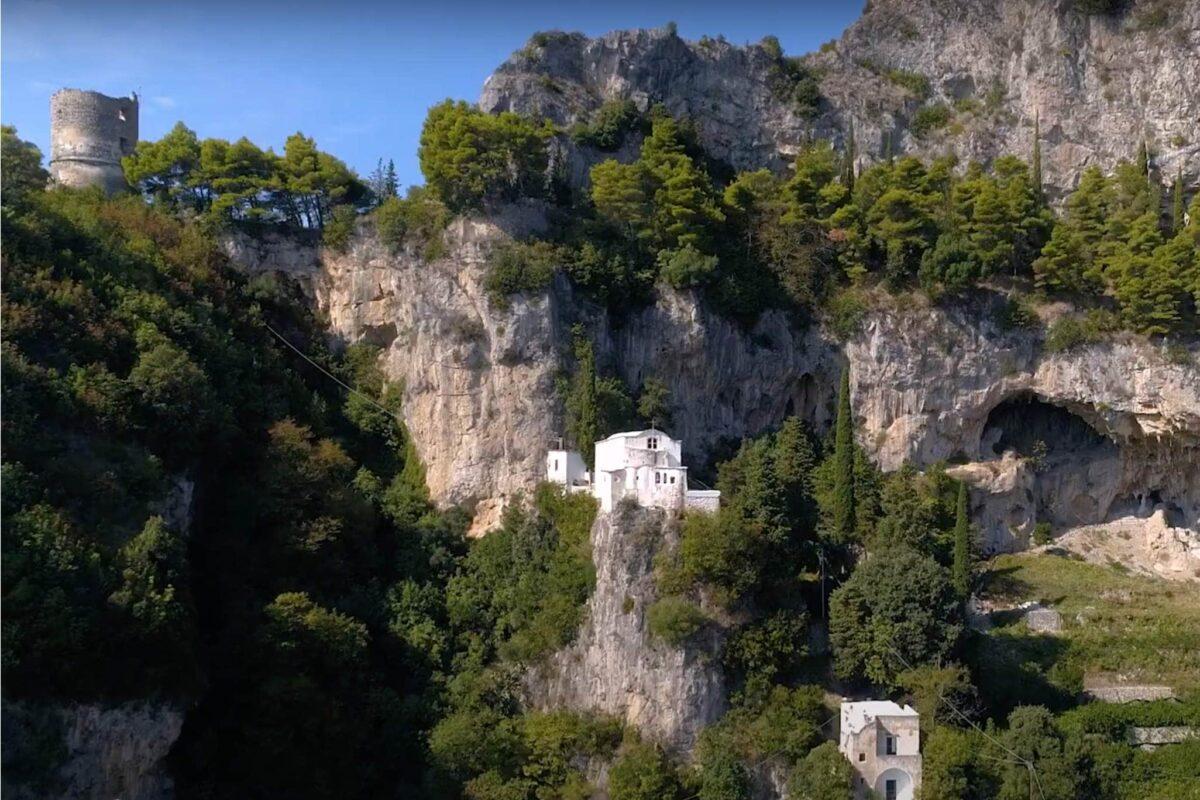
This is not legend: it was the tower-house of the Gargano family, relatives of Antonia, mother of Tommaso Aniello d'Amalfi — known as Masaniello. In this dwelling, an emblem of the vernacular architecture of the 12th–13th century, with its whitewashed walls and rocky volumes pressed against the cliff face, Masaniello spent his childhood among caves and staircases, with the sea as his only horizon and stone as his only certainty.
Who was this man? A fisherman, a fish-seller, a son of this vertical coast — who in July 1647 halted an empire with his bare hands. In speech he was quick and sharp; in his gaze, always melancholic. He possessed, as his contemporaries wrote, a spirit lofty and generous, far nobler than his birth. He could not read. He did not know fear.
July 1647
Ten Days That Made a Kingdom Tremble
From 7 to 16 July 1647, he led the popular revolt in Naples against Spanish fiscal oppression — taxes on bread, fruit and the food of the poorest. Within hours he had Naples at his feet: hailed as undisputed leader, heard by the viceroy, received like a king. Then he was betrayed and killed on 16 July in the church of the Carmine.
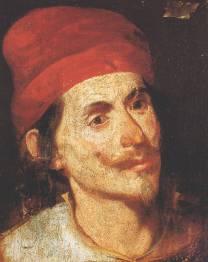
His origins — a fisherman from this coast who became a leader — remain a living source of pride. You, as guests, are the custodians of that legacy in this house suspended between rock and sky.
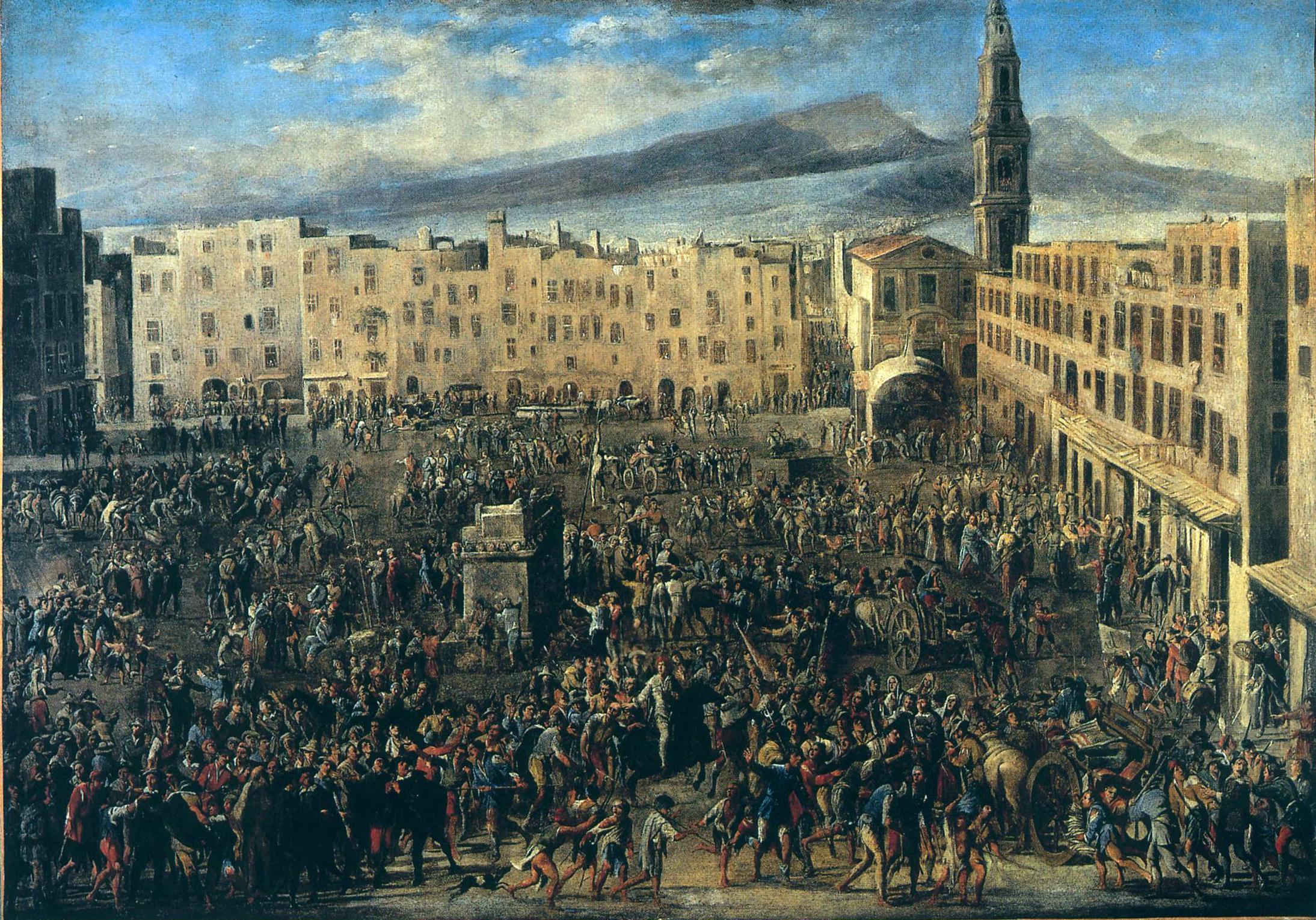
“A revolution born from these steps, from this sea, from this stone.”
17th – 19th century
A Myth That Conquered Europe
For those who come from outside Italy, it may be surprising to discover that Masaniello was far more than a local episode. His figure became, within just a few years, one of the most powerful political myths in Europe — the universal symbol of popular rebellion against power.
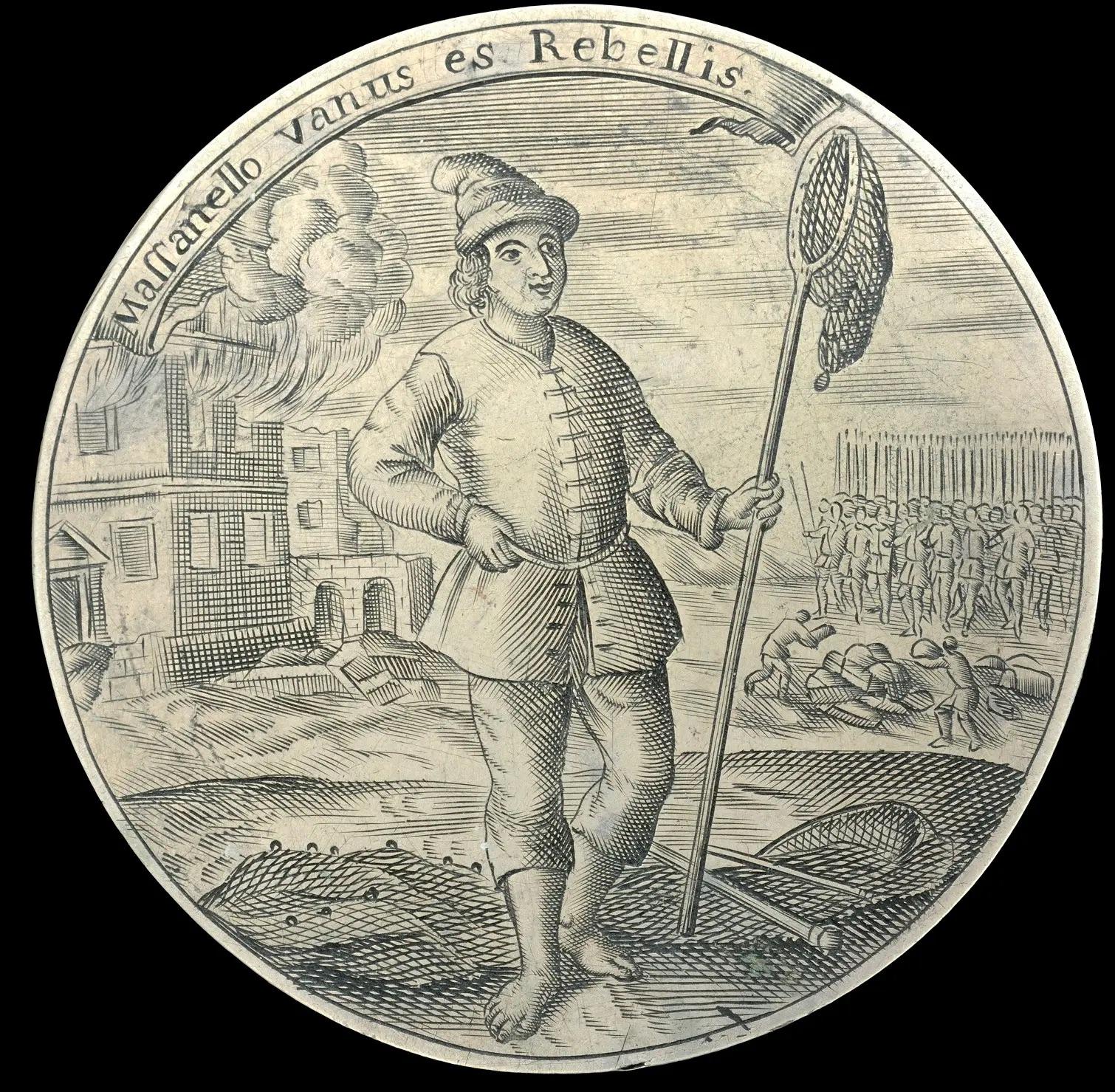
As early as 1658, Holland and England paired him ideally with Cromwell on a commemorative medal: two revolutions, two peoples, a single desire for justice. The philosopher Baruch Spinoza was so captivated by him that he had himself portrayed with Masaniello's features, calling himself the "Masaniello of metaphysics". During the Enlightenment, intellectuals across Europe celebrated him as the prototype of the popular hero.
In 1830, in Brussels, it was precisely a performance of Daniel Auber's opera La muette de Portici — with Masaniello as the protagonist — that ignited the Belgian national revolution. A revolt born in a theatre, inspired by a fisherman dead nearly two hundred years before.
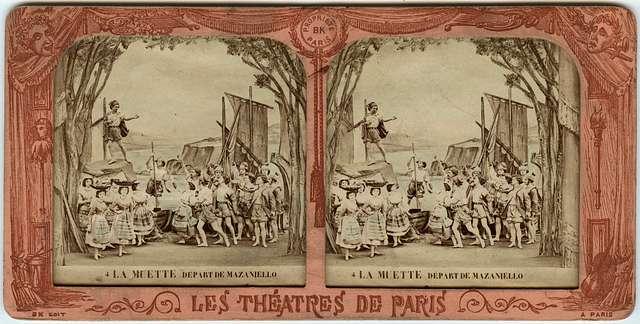
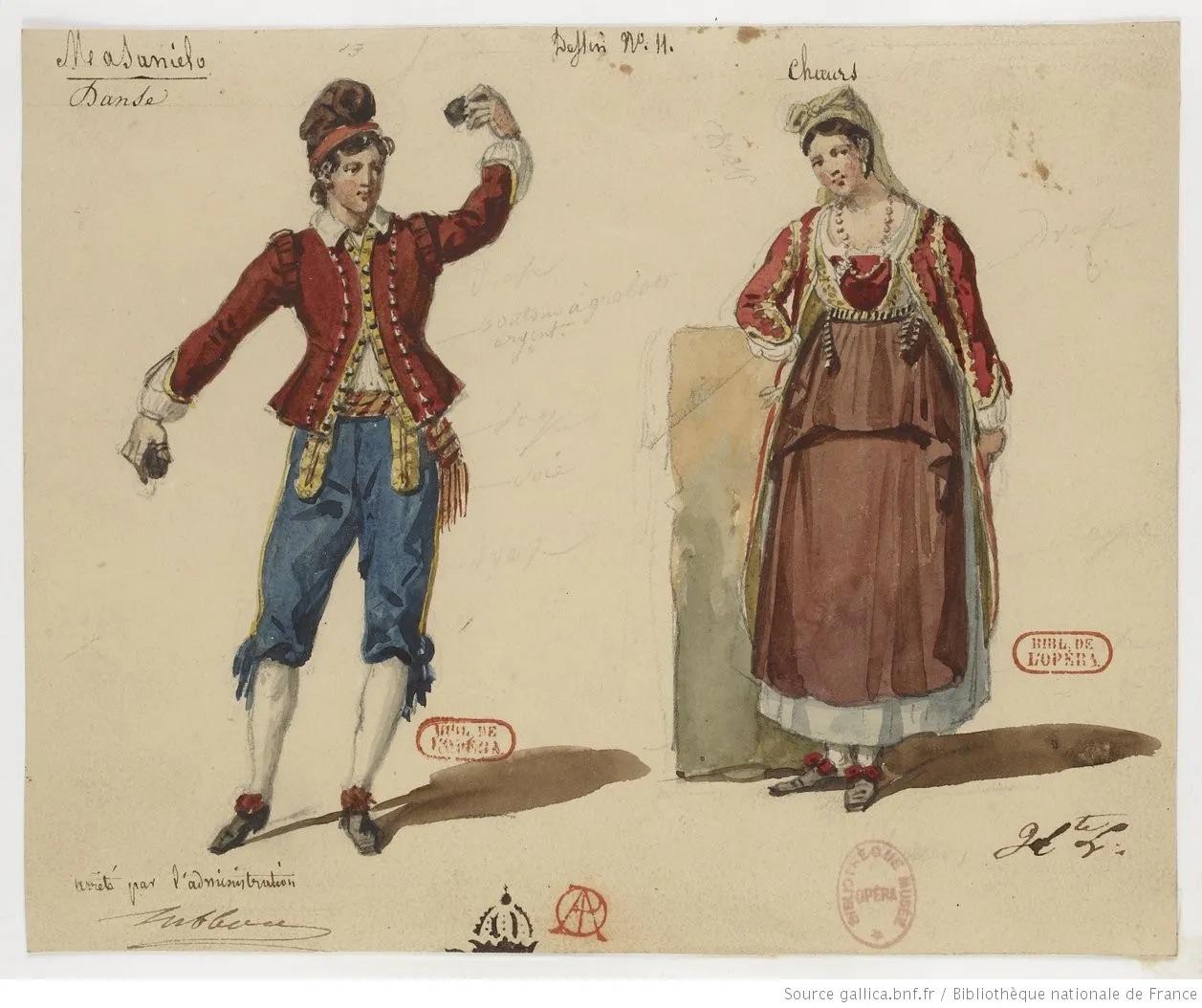
Dramas, melodramas, grand ballets: the 17th and 19th centuries staged his story again and again. By sleeping in his house, you are guests of a myth that still travels the world.
982 AD · 10th century
The Sanctuary, the Caves and San Saba
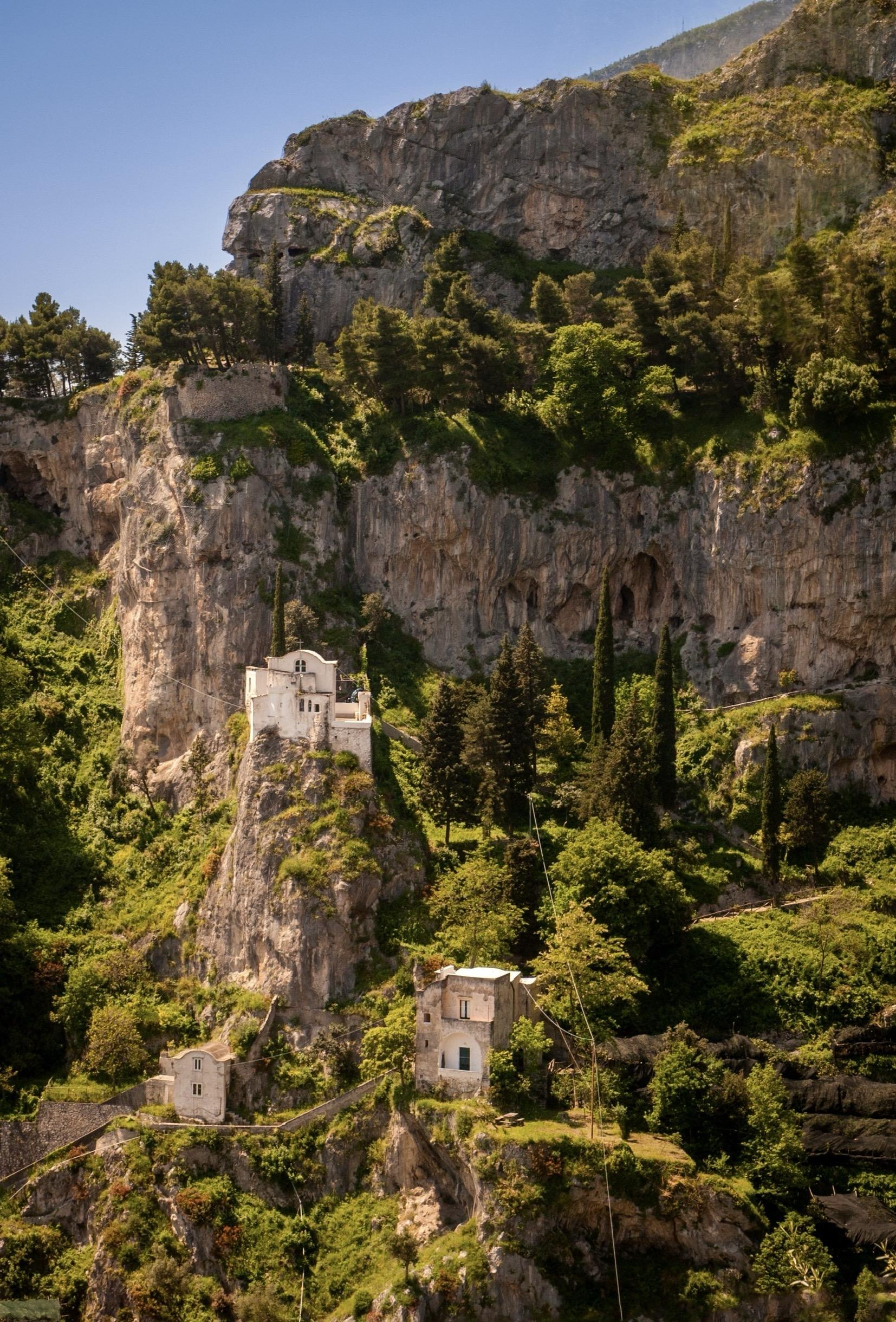
Adjacent to the house, the Sanctuary of Santa Maria del Bando — documented in 1187 in the Codex Diplomaticus Amalfitanus — proclaimed the republic's edicts at the foot of Monte Aureo. Its early medieval cave-like appearance is complemented by marble artefacts and majolica tiles.
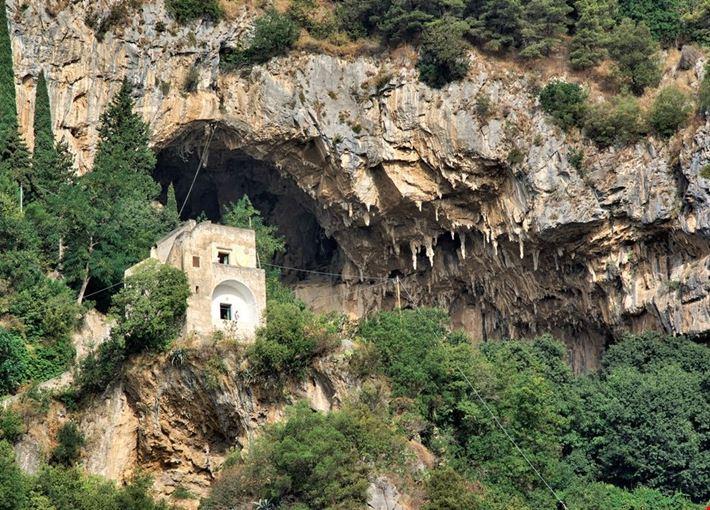
In the adjacent caves, in the 10th century, Eastern hermits fleeing persecution established rock-cut monasteries. San Saba of Collesano (910–995), who arrived in 982 during the reign of Otto II, left traces of his hermitic life: stalactites, glazed oil lamps, and a possible marble basin linked to hagiographic miracles.
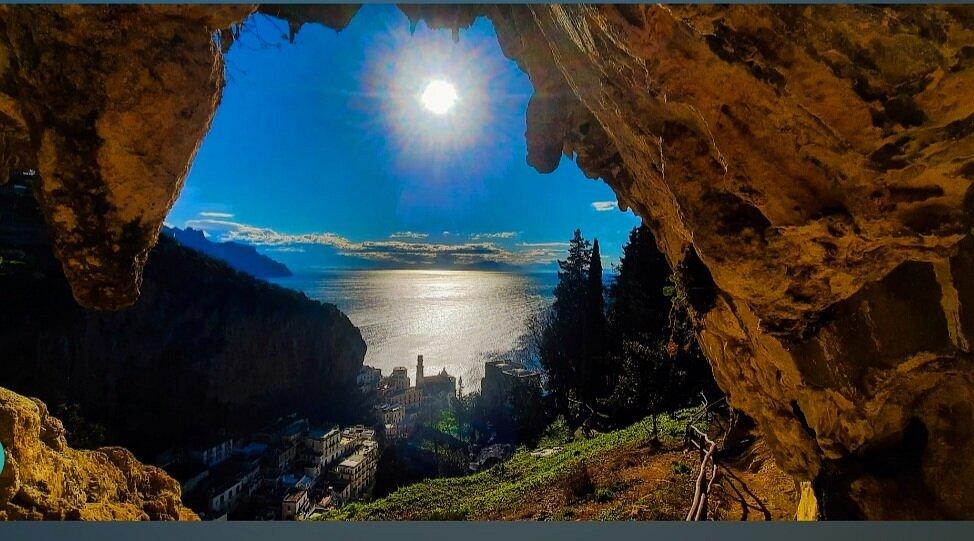
It is said that Masaniello himself — who had known these cavities since childhood — took refuge there when fleeing. Sanctity and resistance merge in the rocky half-light.
Early 16th century
The Torre dello Ziro
Above the house, on Monte Aureo, stands the Torre dello Ziro: an ancient Norman prison-tower, a petrified sentinel dominating Amalfi and Atrani. In the early 16th century it imprisoned the Duchess of Amalfi with her children — because she had dared to love a man not of noble birth. An aristocratic rebellion, born in the palace rather than the square.
The nobility
Torre dello Ziro
The prison of those who loved against the rules. Aristocratic rebellion carved in stone.
The mysticism
Sanctuary & Caves
10th-century rock monasteries. San Saba and the myth of Masaniello in sacred half-light.
The people
Casa Masaniello
The fisherman's house that became a king's. The origin of a revolution that shook a kingdom.
Three poles of the same spiritual and rebellious geography. All contained within a few metres of vertical rock.